As part of our continuing “Pandemic Diaries” series, we publish situation reports from our colleagues and correspondents all over the world.
Dr. Norm Estin is a former Emergency Room physician who now runs Doctors On Call Urgent Care clinics on Maui. He moved there 33 years ago to also become a scuba instructor and fell in love with Hawaii and island life. Here’s his pandemic diary from Maui…
Or, how I learned to enjoy isolation and really appreciate Maui…
It started slowly. Sure, the news reports about China, South Korea, and the entire Far East were out there, but no one in Hawaii paid much attention until there were cases in Italy. After all, for the most part, China had previously contained a number of epidemics, and it seemed like they were on top of the coronavirus one also. But once there was an outbreak in Northern Italy, the the spiritual home of the cappuccino and Biscotti, people on Maui put their foo-foo drinks aside and looked up from their beach towels. Jeez, they said, we might have to change our dinner plans…
It all then changed quickly, over a couple of weeks that covered the end of February and beginning of March. Visitor arrivals by plane, normally over 30,000 per day, dropped like a rock——yesterday there were about 100 in the whole state of Hawaii. What is that, about a 99.7 % decrease? Hotels closed floors, wings, and then the entire property. Restaurants initially going to shorter hours, then take-out only, are closed. Lahaina harbor, usually noisy with hordes going snorkeling, diving, fishing, and whale-watching, has become a quiet pond.
How did the virus get here? We know the cases in Seattle started with fliers from China, the cases in New York came from people traveling form Europe. In Hawaii, everything is imported….food, oil, disease. The missionaries brought syphilis along with their bibles. This time, it seems the people bringing in the coronavirus fell into three categories——tourists from the mainland, airline personnel, and Hawaiians escaping on a quick inexpensive getaway to Las Vegas in February. Even the isolated island of Molokai, proud for a while to be covid-free, had a grocery-store worker bring in their first case after a trip. I guess in the real world, what happens in Vegas doesn’t always stay in Vegas.
Things started to get real quiet. April 1, the state went into a lock-down, with very restricted air travel and the usual shelter-at-home precautions. Most people complied readily, which made sense. Not only would those measures protect them, it would help Hawaii become one of the first states and visitor destinations to be covid-free, and attract visitors again in the summer.
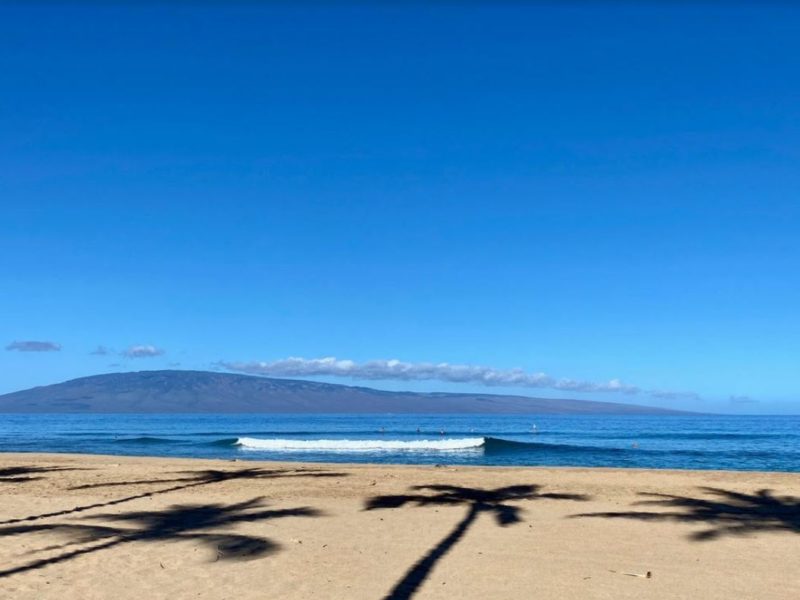
The harbors are pristine as there is no commercial boating. The parks emptied, the beaches became as unpopulated as in the late 1940’s. Nature, such an important part of the attraction of Hawaii, got a reprieve. Turtles are everywhere, monk seals come up on the beaches daily, even the remaining humpback whales swam close to shore as they made their way up to Alaska.
Roads emptied and many people suddenly realize how much traffic was tourist-related. Normally jammed intersections are empty. An hour trip to the airport takes only 25 minutes.
Once-busy tourist towns got boarded up almost overnight. Streets where you could never find a parking place have no cars at all. Golf courses became quiet arboretums. The famous beaches are like nature’s churches, with only the sound of the shorebreak waves.
I make my living as a service-oriented urgent care doctor, over the years more visitor-focused. We’re closed for the near-term, and we switched quickly to telemedicine. Patients can “see” us on their laptops or phones. Insurance carriers love it, and we can take care of 80% of medical problems this way. Fast, easy, convenient, no waiting rooms or clinics. As they say, keep watching this space…
My daily routine has changed, too. I’m more in tune with the rhythms of nature that attracted me to Maui in the first place, and do two long beach walks a day. I used to be the only one on the beach for an hour at a time, but other folks are appearing as the beaches opened up for partial use. I get to snorkel with the turtles and an occasional monk seal daily.
Like most folks here, I almost always eat at home, and more consciously and simply. A couple of times a week, I might grab some take-out or eat with friends from 6 feet away. A Costco visit in February and I’m good for four months. Once a week someone gives me a fish he caught. And the mangoes are starting to come in.
Most of Maui’s economy is dependent on the hospitality industry; the days of a viable agriculture industry (sugar and pineapples) are long gone. To make ends meet, many people have two or more jobs, and even so, are living paycheck to paycheck. Short-term, many will survive. But tourism will take a long while to come back, and a long time to return to the thriving industry it was in 2019. Many small businesses will close, and the hotel and restaurant experiences will certainly be very different.
Maui will always be beautiful as an “outer” island experience compared to the much more urban Waikiki on Oahu, with its own special magic and charm. The planes will start arriving again and the hotels will start up again. Hawaii has been one of the states with the fewest relative or absolute numbers of virus cases, and wants to stay that way. However, neither the State of Hawaii nor the airlines have yet figured out the myriad of safety issues relating to eventual screening, testing, isolation, and social distancing that would allow large numbers of visitors to return and still keep this isolated set of islands Covid-free.
Certainly, there will be fewer people at the luaus and in the restaurants. Lines will be smaller but more spaced out. Will the powers that be and economic forces at work allow Hawaii to stay the way its been for three months or will it eventually return to the rhythm of “progress” and development? Stay tuned…